COVID-19 is a contagious disease caused by the coronavirus SARS-CoV-2. In January 2020, the disease spread worldwide, resulting in the COVID-19 pandemic.
The symptoms of COVID‑19 can vary but often include fever,[7] fatigue, cough, breathing difficulties, loss of smell, and loss of taste.[8][9][10] Symptoms may begin one to fourteen days after exposure to the virus. At least a third of people who are infected do not develop noticeable symptoms.[11][12] Of those who develop symptoms noticeable enough to be classified as patients, most (81%) develop mild to moderate symptoms (up to mild pneumonia), while 14% develop severe symptoms (dyspnea, hypoxia, or more than 50% lung involvement on imaging), and 5% develop critical symptoms (respiratory failure, shock, or multiorgan dysfunction).[13] Older people have a higher risk of developing severe symptoms. Some complications result in death. Some people continue to experience a range of effects (long COVID) for months or years after infection, and damage to organs has been observed.[14] Multi-year studies on the long-term effects are ongoing.[15]
COVID‑19 transmission occurs when infectious particles are breathed in or come into contact with the eyes, nose, or mouth. The risk is highest when people are in close proximity, but small airborne particles containing the virus can remain suspended in the air and travel over longer distances, particularly indoors. Transmission can also occur when people touch their eyes, nose, or mouth after touching surfaces or objects that have been contaminated by the virus. People remain contagious for up to 20 days and can spread the virus even if they do not develop symptoms.[16]
Testing methods for COVID-19 to detect the virus's nucleic acid include real-time reverse transcription polymerase chain reaction (RT‑PCR),[17][18] transcription-mediated amplification,[17][18][19] and reverse transcription loop-mediated isothermal amplification (RT‑LAMP)[17][18] from a nasopharyngeal swab.[20]
Several COVID-19 vaccines have been approved and distributed in various countries, many of which have initiated mass vaccination campaigns. Other preventive measures include physical or social distancing, quarantining, ventilation of indoor spaces, use of face masks or coverings in public, covering coughs and sneezes, hand washing, and keeping unwashed hands away from the face. While drugs have been developed to inhibit the virus, the primary treatment is still symptomatic, managing the disease through supportive care, isolation, and experimental measures.
Client Raves:
“Transformational. A professional breakthrough.”
“Fantastic!! Ultimately a straight route to improve my impact and influence.”
“As much a Leadership Development experience as a Public Speaking course.”
“Thank you for pushing me to tap into “tools” I didn’t know I had.”
“Definitely the best program I’ve ever attended.”
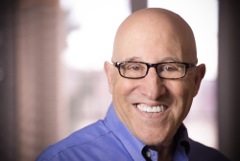 Hall of Fame speaker Alan Parisse has been coaching presenters and delivering keynotes for over 25 years. Named “One of the Top 21 Speakers for the 21st Century” by Successful Meetings Magazine, he is a keynote speaker for a wide variety of industries and organizations. Alan is a passionate presentation coach to executives, financial advisors, sports stars and sales presenters.
Lisa Casden has been coaching presenters for 10 years. A former professional figure skater, coach and choreographer, Lisa leverages her unique background and point of view to help speakers organize their physicality in ways that best support their message.
 Keynote Topics
 About Alan Parisse
 Why Hire Alan?
 Client Testimonials
 Booking Request Form
 Watch Alan
 Listen to Alan