
Exploring the roots of gambling through history’s lens
The Early Beginnings of Gambling
The origins of gambling can be traced back thousands of years, with evidence found in ancient civilizations such as Mesopotamia, China, and Egypt. Archaeological discoveries indicate that early forms of betting involved dice made from bones and rudimentary games of chance that captivated societies. These early practices served as not just a form of entertainment but also as a reflection of social hierarchies and religious beliefs. In this context, it’s interesting to note that non gamstop casinos have emerged as a modern facet of gaming experiences.
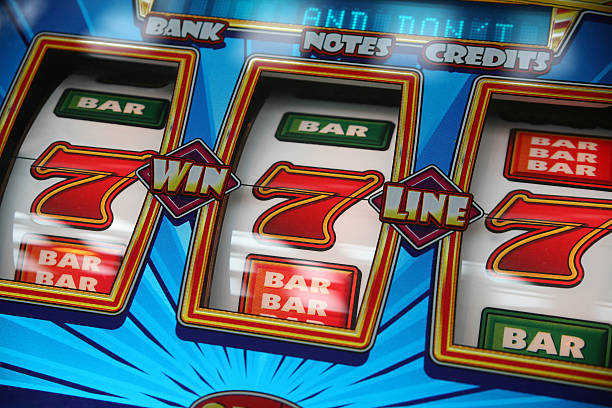
In ancient China, for example, gambling was often intertwined with cultural rituals and festivals, emphasizing its significance in community gatherings. The use of gambling as a means to make decisions, predict the future, and foster social connections showcases how embedded these activities were in the fabric of early societies.
Gambling in Ancient Civilizations
The influence of gambling grew substantially in ancient Rome and Greece, where it became a popular pastime among citizens. Gladiatorial games and chariot races were often accompanied by bets, which not only heightened the excitement but also allowed citizens to engage more deeply with the events. This period saw the formalization of betting systems, laying the groundwork for modern gambling practices.
Additionally, mythology played a significant role in shaping gambling in these civilizations. The Greeks, for instance, associated luck with the favor of the gods, and this belief influenced how people approached games of chance. The intertwining of divine intervention and luck reveals the cultural significance of gambling in ancient contexts, transcending mere entertainment.
The Evolution of Gambling through the Middle Ages
During the Middle Ages, gambling faced challenges, particularly with the rise of religious scrutiny. While certain communities attempted to ban gambling, it continued to thrive underground. This era witnessed the emergence of card games, which quickly gained popularity across Europe. The social aspect of gambling began to take shape, as taverns and social clubs became hubs for these activities.
Moreover, the establishment of lotteries in various regions highlighted a shift in how gambling was perceived. Initially created to raise funds for public projects, lotteries gained acceptance and paved the way for state-sanctioned gambling practices that would later develop into modern casinos.
The Birth of Modern Casinos
The 17th and 18th centuries marked the rise of modern casinos, particularly in Europe. The first official casino, the Casino di Venezia, opened its doors in Italy, setting a precedent for future gambling establishments. This era saw the formalization of gaming rules and regulations, which contributed to the legitimacy of gambling as a leisure activity.
As gambling spread across continents, it adapted to various cultures, resulting in unique forms of games and betting practices. The allure of casinos grew, attracting individuals from different walks of life, contributing to both economic growth and cultural exchange. This period solidified gambling as an accepted and celebrated form of entertainment.

Understanding Gambling Today
Today, gambling has evolved into a multi-billion dollar industry, encompassing a wide range of activities from online gaming to sports betting. The cultural significance of gambling remains strong, as it continues to be a source of entertainment, social interaction, and even economic development in various regions around the world.
Our website is dedicated to exploring this fascinating history and its implications on modern society. By examining the roots of gambling, we aim to foster a deeper understanding of its cultural impact and the role it plays in our lives today. Join us as we delve into this complex and ever-evolving world of chance and choice.
Client Raves:
“Transformational. A professional breakthrough.”
“Fantastic!! Ultimately a straight route to improve my impact and influence.”
“As much a Leadership Development experience as a Public Speaking course.”
“Thank you for pushing me to tap into “tools” I didn’t know I had.”
“Definitely the best program I’ve ever attended.”
 Hall of Fame speaker Alan Parisse has been coaching presenters and delivering keynotes for over 25 years. Named “One of the Top 21 Speakers for the 21st Century” by Successful Meetings Magazine, he is a keynote speaker for a wide variety of industries and organizations. Alan is a passionate presentation coach to executives, financial advisors, sports stars and sales presenters.
Lisa Casden has been coaching presenters for 10 years. A former professional figure skater, coach and choreographer, Lisa leverages her unique background and point of view to help speakers organize their physicality in ways that best support their message.
 Keynote Topics
 About Alan Parisse
 Why Hire Alan?
 Client Testimonials
 Booking Request Form
 Watch Alan
 Listen to Alan